Simplifying financial solutions for high-intent services
Nestwise Case Study
Lock icon

Due to NDA restrictions, the product name has been anonymized, and confidential research data & metrics have been abstracted, while the process and outcomes reflect my actual work.

Overview

Nestwise is a UK-based mobile app designed to be a one-stop solution for financial needs. It offers mortgages, insurance, loans, credit scores, eID verification, digital signatures, AI assistance, and in-person advisor support via text, audio, and video calls.

I was responsible for turning the ambitious vision into a user-friendly, scalable, market-ready product. I collaborated closely with the product and engineering team to create a modular product that could scale with the business.

Role

Senior UI/UX Designer

Responsibilities

End-to-End UX & UI Design Process

Collaborators

02 UI/UX Designer,

01 Product Manager,

05 Engineers

Timeline

4 months

Research

Key findings from user research

To better understand the challenges and user pain points, we conducted user interviews. Here are some of the key findings.

Fragmented tools

Users constantly switch between multiple apps, it causes stress and cognitive overload.

Decision anxiety

While choosing mortgages, loans, or insurance, users feel overwhelmed, vulnerable, and unsure.

Support gap

FAQs and slow responses leave users feeling abandoned during critical moments.

Jargon barrier

Terms like LTV and underwriting are confusing for use, often and leads to misunderstanding.

Trust & pricing

Users worry about hidden fees and unclear pricing, fearing surprise charges and not getting the best deal.

Complex flows

Long forms and dense legal copy cause drop‑offs; users need clear steps and progressive disclosure.

Key findings from competitors analysis

We studied our competitors deeply to identify their strengths and weaknesses. Here are some of the key findings.

Legacy UX

Most traditional banking apps are difficult to use and feel like data‑entry machines.

Recent UX improvements

Modern financial apps feel more intuitive, and gamified for task completion.

Advisor gap

For user support, chatbots and AI assistance are very common among apps.

No all in one solution

Currently, not a single app in the UK offers an all in one financial solution.

Ideation

Task prioritization using the MoSCoW Method

We prioritized the must have and should have features first to tackle the core user journeys that create the most friction. This approach lets us validate assumptions quickly and keep scope focused for rapid iteration.

M

Must have

  • Unified dashboard
  • Full application process
  • Advisor Chat (Text, Audio, Video)
  • Credit score check
  • eID verification
  • Digital signature
  • Application management

S

Should have

  • AI assistant
  • Smart product suggestion
  • Priority notification
  • Product comparison
  • Credit score management

C

Could have

  • Education hub
  • Smart budget through credit score
  • Saved comparisons

W

Would have

  • Gamified credit score
  • Investment platform
  • Dark mode

How might we...

How might we turn stressful financial decisions into a guided experience where users feel they have a trusted guide by their side?

Pivot

Pivots and decisions changes that shaped the final solution

During early user testing and stakeholder review, several major and minor issues were identified. Below is a snippet showing the pending task design changes.

Before (Pending task)

When users start their applications, advisers send them requests to verify their identity, provide a signature, and upload documents. During testing, users struggled to understand what actions to take.

Before pivot

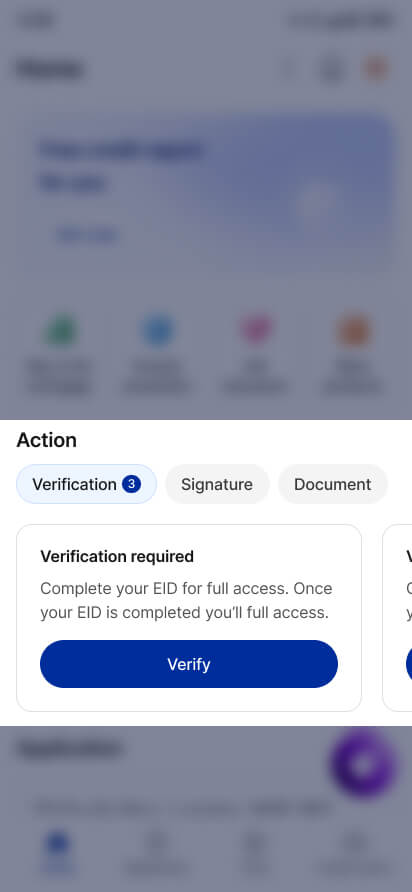
After (Action)

The new design drastically improves the user experience. Users quickly understood what advisers were asking because the verification, signature, and document sections are now separated into tabs.

After pivot
UI Design

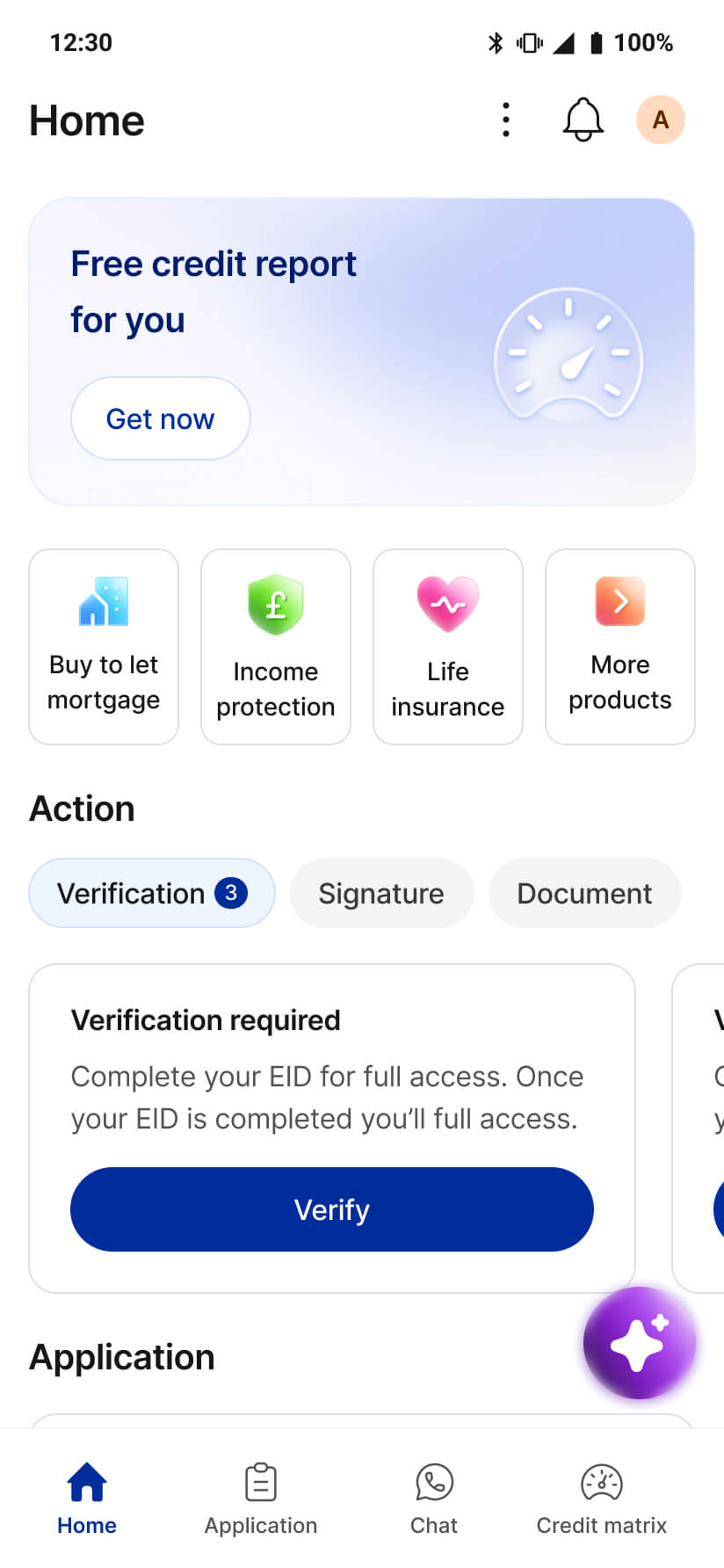
Dashboard

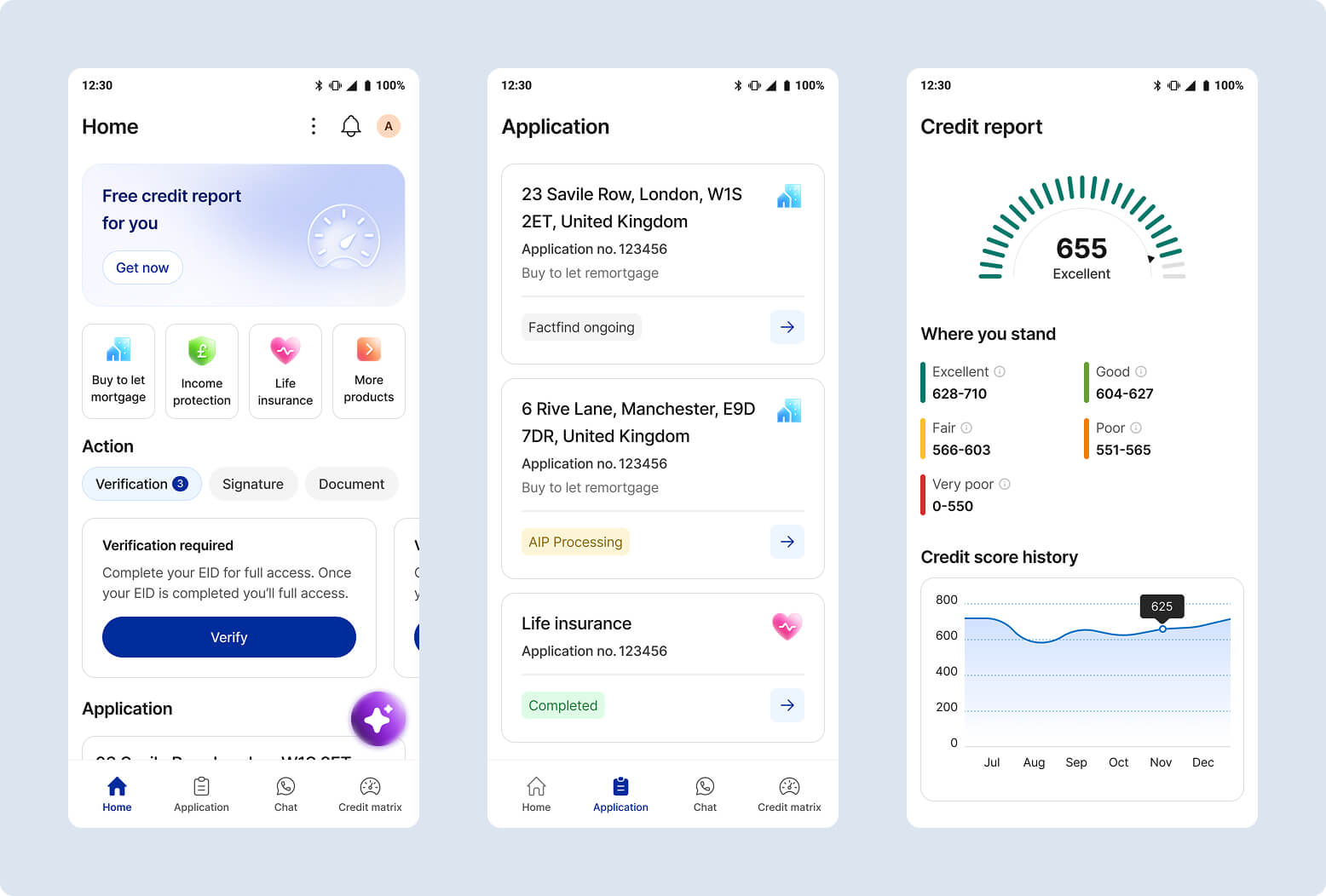
The dashboard prioritizes user needs and helps users find information easily when they are communicating with an adviser.

Dashboard

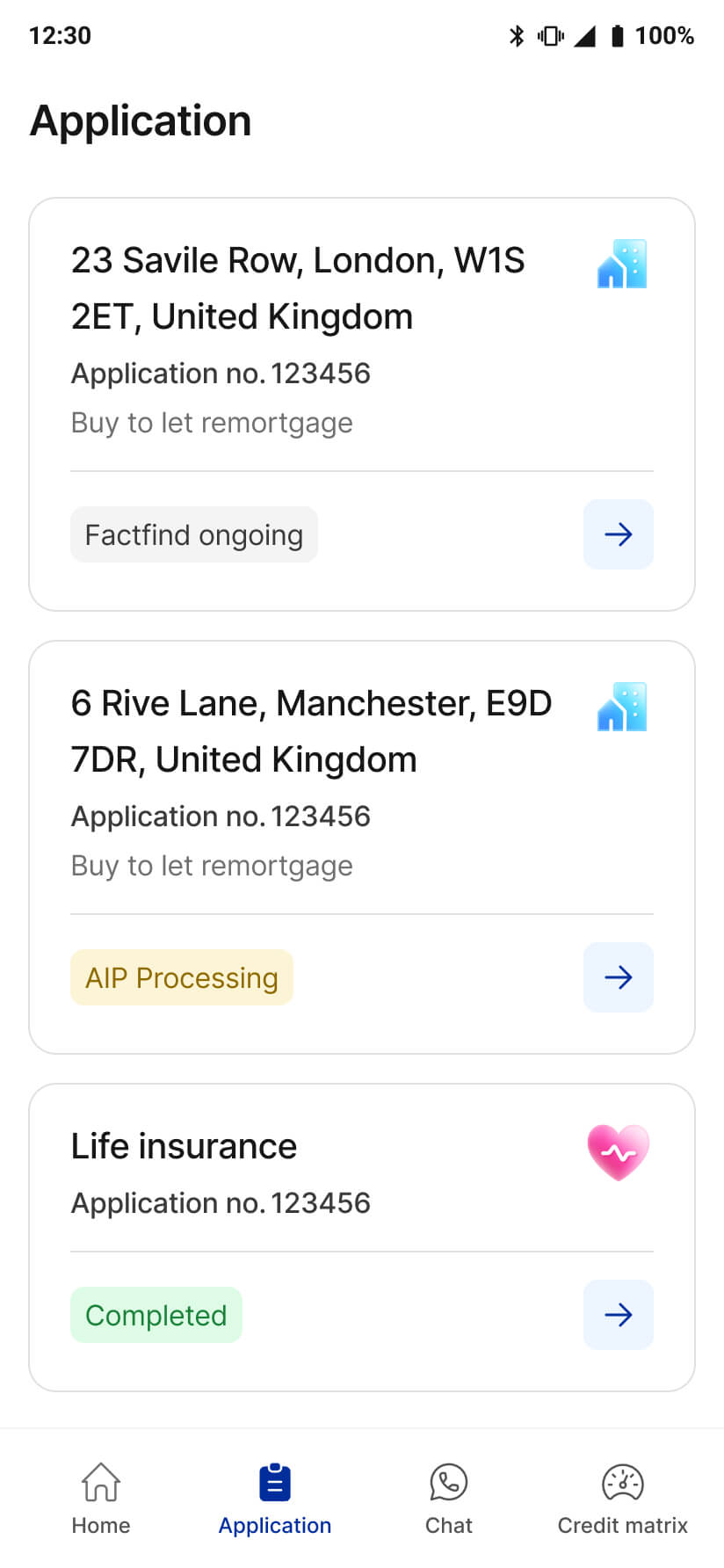
Application

Users visit the application screen after applying for a product. Here, finding the correct application and checking the status is prioritized.

Application

Product

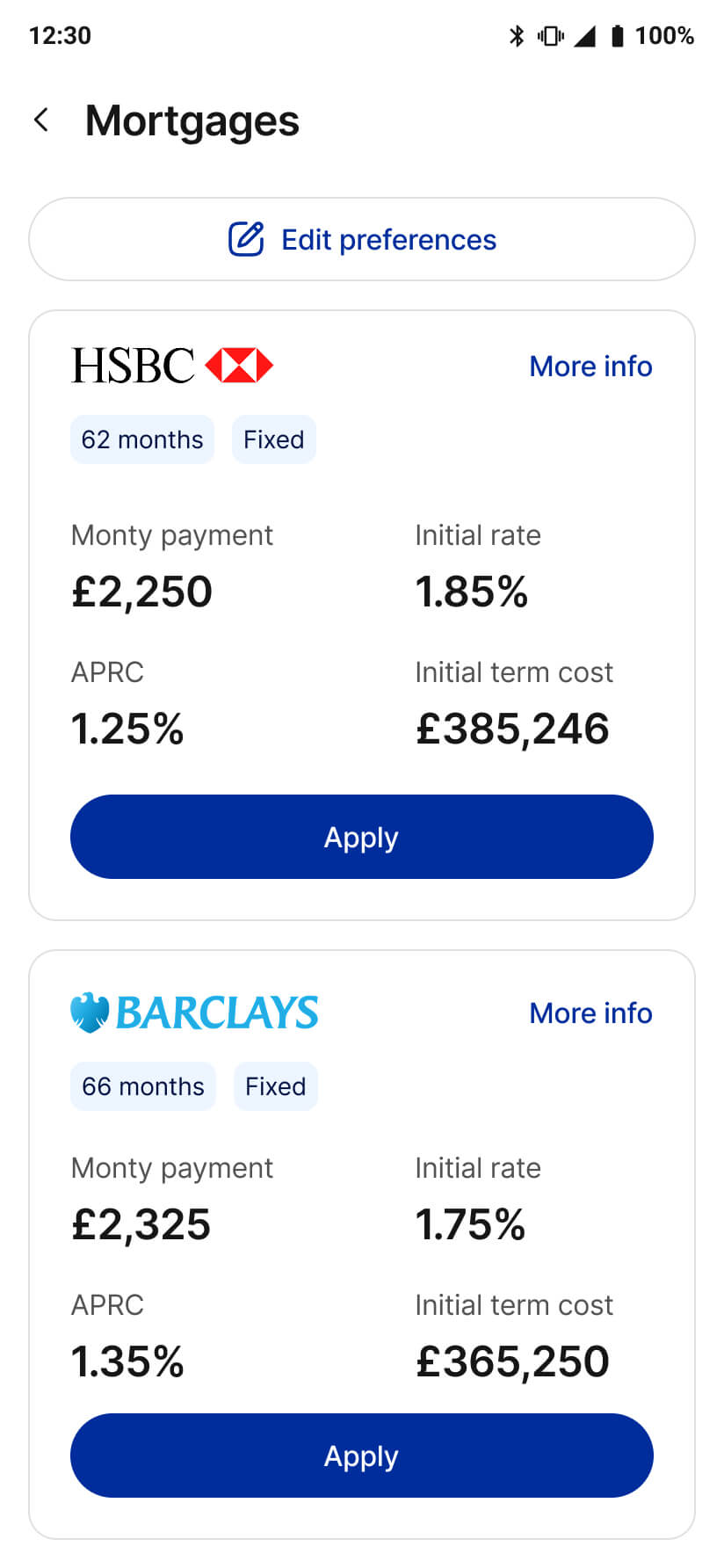
The product screen shows all the necessary product information a user needs before applying for a mortgage, loan, or insurance.

Products

Credit report

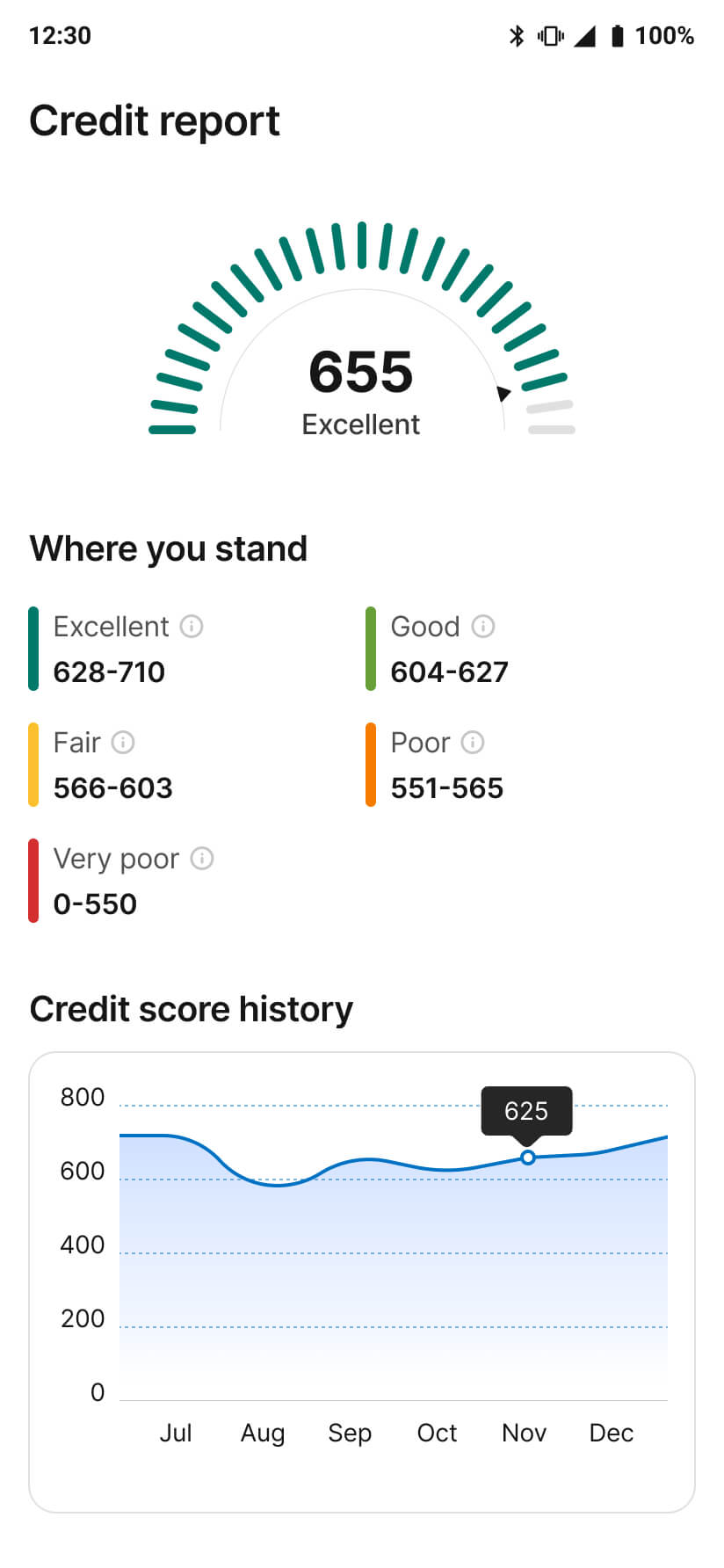
The credit score is a critical factor in financial decision-making. Users not only need visibility into their score but also tools to monitor it.

Credit Report

Adviser support

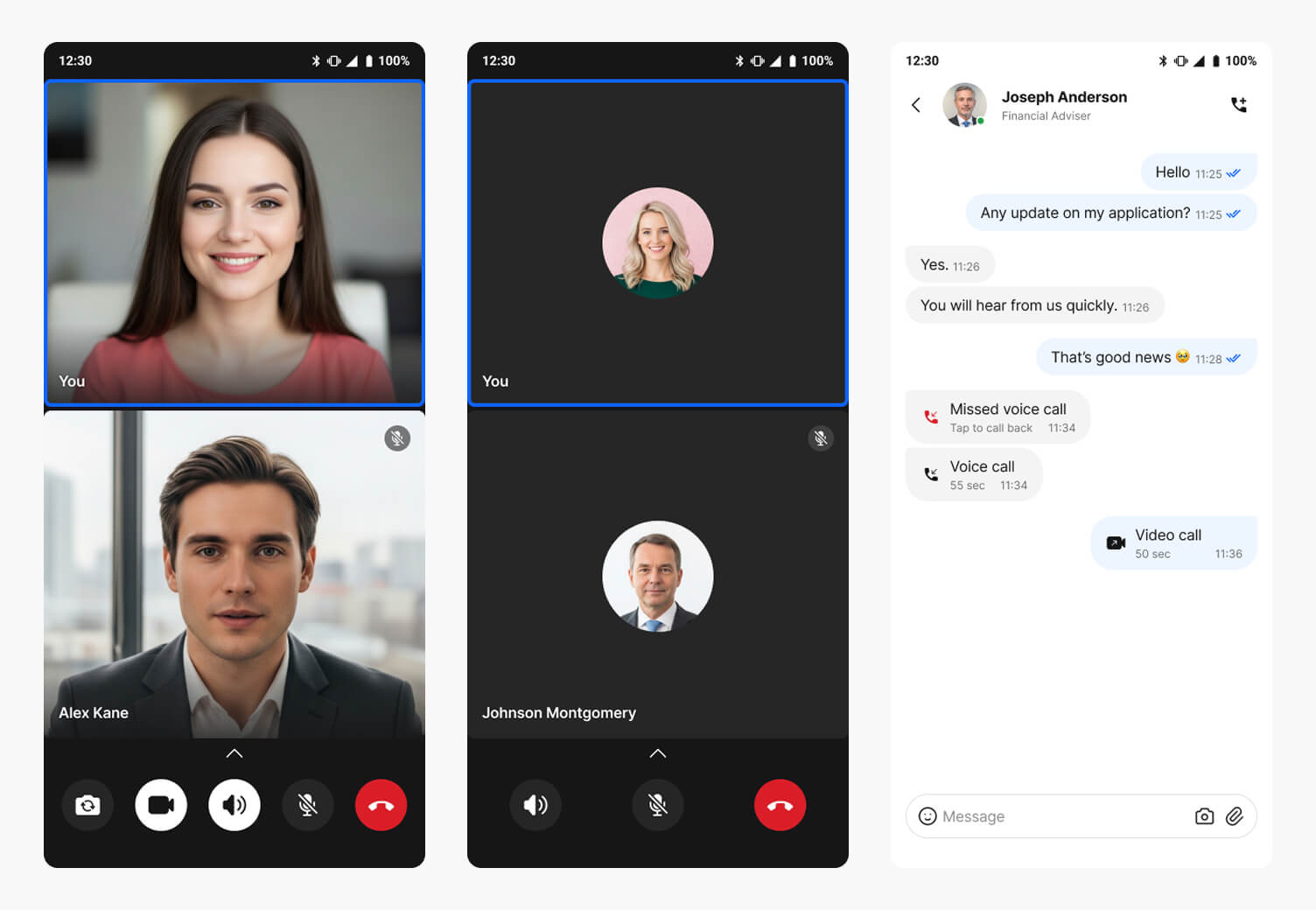
Seamless adviser chat is a key differentiator for the app, so the text, voice, and video chat interfaces are designed to prioritize clear, effortless communication.

dviser Support

AI assistant

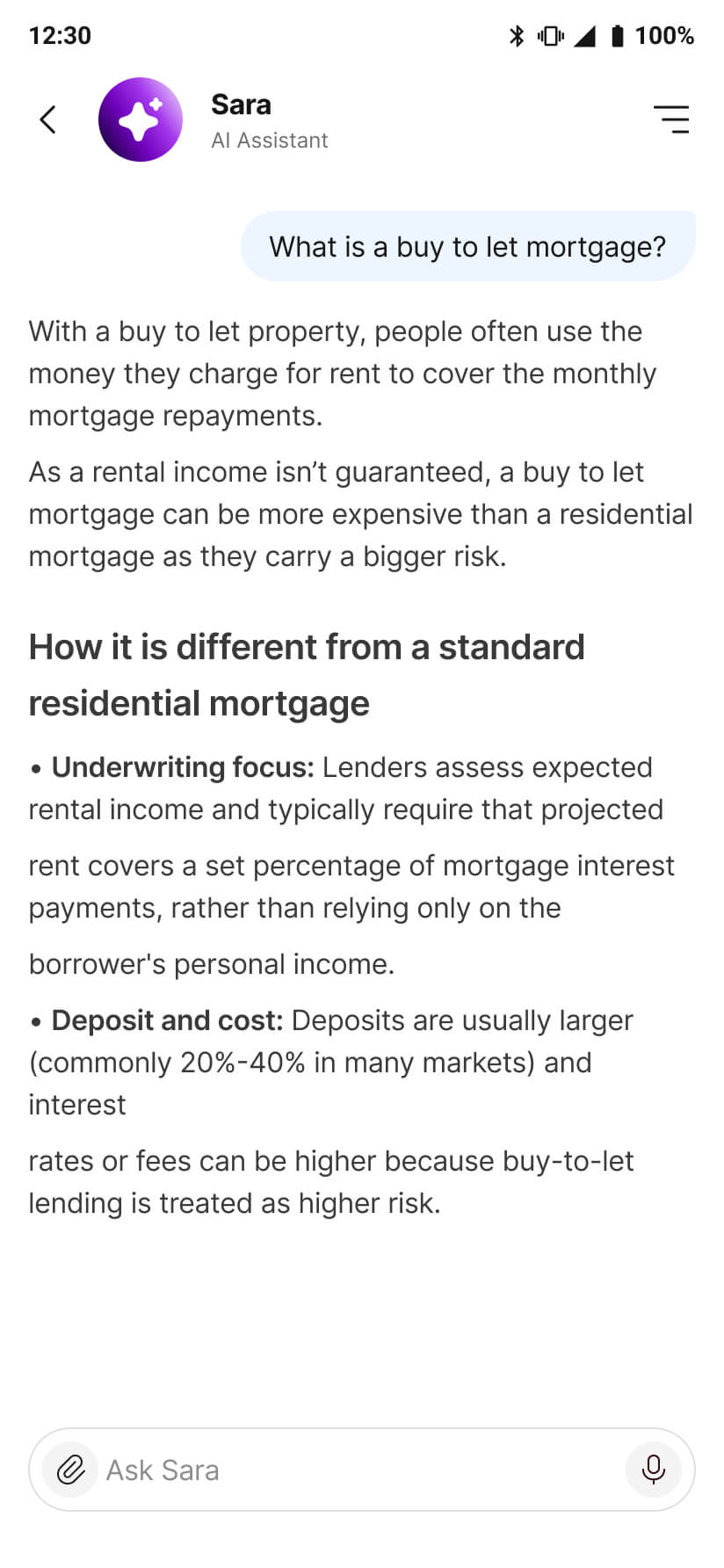
The AI assistant is available whenever users encounter an issue, providing instant support across text, voice, and multimedia channels.

AI assistant

eID verification

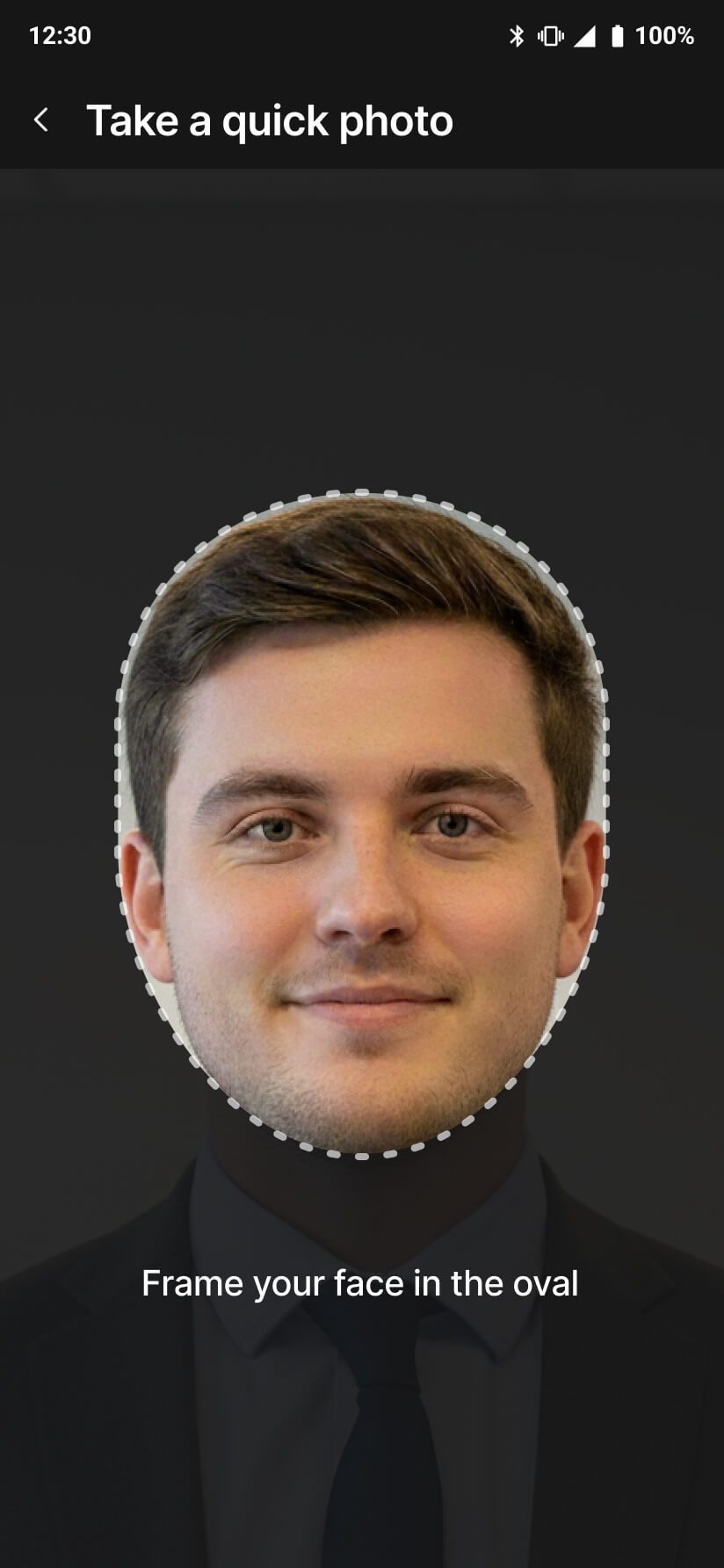
eID verification is required to access products. The screens offer clear, step‑by‑step guidance to ensure a seamless verification experience.

eID verification
Impact

The project outcome

We unified a fragmented financial journey into one intuitive, mobile-first experience. Here is the data showing how these design improvements created a better experience for both our users and the business.

+88%

automated verification success rate for eID verification

-40%

reduction in processing time processing time with the end-to-end journey

+20%

increase in completed applications achieved by the guided application flow

-27%

reduction in support dependency with the AI assistant support

Learnings

What I learned from this project

Working on Finance Magic made me realize that the real challenge isn’t adding more features, it’s making them feel simple. When everything from mortgages to insurance lives in one place, the experience has to guide people gently, otherwise it gets overwhelming very quickly.

I also saw how important the human side is, even in a product with AI. Giving people the option to talk to a real advisor adds a level of reassurance that automation just can’t fully replace.

This project changed how I think about design. I had to stop looking at individual flows in isolation and start thinking about how everything connects. With so many features in one place, the real work was >making sure the whole experience felt consistent, clear, and easy to move through.

Do you have any questions?

Reach out anytime!

Get in touch Get in touch Let's talk
VIEW CASE STUDY